Unlock a World of Flavor: Why Pressure Canning Meats, Soups & Veggies is a Game Changer
For many home preservers, the journey begins with the sweet simplicity of water bath canning jams, jellies, and pickles. There’s an undeniable satisfaction in seeing rows of vibrant, high-acid preserves lining your pantry shelves. But what if you could expand that satisfaction exponentially? What if you could preserve savory stews, tender chicken, hearty beans, and garden-fresh vegetables for long-term, shelf-stable storage? This is where pressure canning enters the picture, transforming your pantry into a true bastion of culinary self-sufficiency.
While the idea of a "pressure canner" might conjure images of daunting machinery or even kitchen mishaps, the truth is that learning how to use one safely and effectively is an incredibly rewarding skill. It opens up an entirely new realm of food preservation, moving beyond just acidic delights to embrace virtually any food you can imagine. This comprehensive
guide to pressure canning aims to demystify the process, empower you to take the leap, and introduce you to the incredible versatility of preserving low-acid foods. If you're new to the world of home canning or seeking a foundational understanding, our article
Unlock Safe Food Preservation: A Beginner's Pressure Canning Guide offers an excellent starting point.
The Science Behind Safe Storage: Why Pressure Matters for Low-Acid Foods
At its core, pressure canning is a fascinating blend of physics and microbiology, designed to ensure the safety and longevity of your preserved foods. Most of us remember from science class that water boils at 212°F (100°C) at sea level. This temperature is sufficient for killing off spoilage organisms in high-acid foods, where a pH level below 4.6 naturally inhibits the growth of dangerous bacteria like *Clostridium botulinum*.
However, for low-acid foods – anything with a pH of 4.6 or higher – 212°F simply isn't hot enough. This is where the pressure canner becomes indispensable. By creating a sealed, high-pressure environment, a pressure canner elevates the boiling point of water well above 212°F. For instance, processing at 10 pounds of pressure typically achieves an internal temperature of around 240°F (116°C) at sea level, while 15 pounds of pressure can reach approximately 250°F (121°C).
These significantly higher temperatures are crucial for one primary reason: to destroy the spores of *Clostridium botulinum*. This bacterium, commonly found in soil and on food surfaces, can thrive and produce a deadly toxin in low-acid, oxygen-free environments – precisely the conditions found inside a sealed jar of home-canned green beans or chicken. The spores are remarkably heat-resistant and can survive boiling water temperatures. Only the sustained, higher heat achieved through pressure canning can effectively neutralize these spores, rendering your low-acid foods safe for consumption and long-term storage. While botulism is incredibly rare, thanks to stringent food safety guidelines, understanding this critical scientific principle is paramount for safe home canning. For a deeper dive into the critical safety measures and the science behind eliminating this risk, read our detailed article on
Pressure Canning Safety: Killing Botulism & Preserving Low-Acid Foods.
It's also important to note that altitude plays a role in pressure canning. At higher elevations, water boils at lower temperatures due to reduced atmospheric pressure. To compensate, you'll need to increase the pressure inside your canner to reach the same critical processing temperatures required for safety. Always consult USDA guidelines or your canner's manual for specific altitude adjustments.
Expand Your Pantry: What You Can Preserve with Pressure Canning
Once you master the art of pressure canning, your food preservation options truly explode. Say goodbye to limiting yourself to just pickles and salsa, and welcome a diverse array of nourishing, ready-to-eat meals and ingredients into your pantry.
With a pressure canner, you can safely preserve:
- Meats: Chicken, beef, pork, venison, and other game meats can be canned in chunks, strips, or ground form. Imagine opening a jar of tender, pre-cooked chicken for a quick weeknight soup or tacos!
- Soups and Stews: Hearty vegetable soups, beef stew, chili, and even bean soup can be canned as complete meals, making for incredibly convenient emergency rations or quick dinners.
- Vegetables: Low-acid vegetables like green beans, corn, potatoes, carrots, beets, and shelled peas can be preserved for year-round enjoyment, retaining much of their flavor and nutritional value.
- Beans: Dry beans (navy, kidney, pinto, black beans) can be soaked and then pressure canned, eliminating the long cooking time typically required and making them ready to use in any recipe.
- Broths and Stocks: Homemade bone broth or vegetable stock can be canned, providing a rich base for soups and sauces without taking up valuable freezer space.
- Prepared Meals: Think beyond single ingredients! Recipes exist for canning entire meals like spaghetti sauce with meat, or even certain seafood dishes.
This versatility not only helps you capitalize on bulk purchases or a bountiful garden harvest but also significantly contributes to food security and self-sufficiency. Having a well-stocked pantry of diverse, shelf-stable foods provides peace of mind and incredible convenience.
Getting Started: Essential Knowledge and Equipment for Your Pressure Canning Journey
Embarking on your pressure canning adventure doesn't require a culinary degree, but it does demand attention to detail and adherence to tested guidelines. Here’s what you need to know to begin:
The Right Equipment
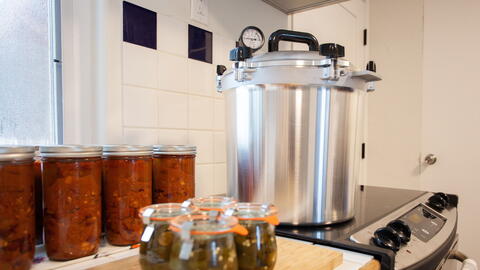
The most critical piece of equipment is, of course, the
pressure canner itself. It’s crucial to understand that a pressure canner is not the same as a pressure cooker, though they share some mechanical similarities. Pressure canners are specifically designed for the temperatures and sustained pressures needed for safe food preservation, typically accommodating multiple canning jars.
There are two main types:
- Weighted Gauge Canners: These use weighted jiggler(s) that release steam at specific pressure levels (e.g., 5, 10, or 15 pounds). They are often considered easier to monitor because the sound of the jiggler indicates the correct pressure.
- Dial Gauge Canners: These feature a dial that displays the internal pressure. They require regular calibration (usually annually) to ensure accuracy.
You'll also need standard canning jars, new lids, and bands. Always use jars specifically designed for canning (e.g., Ball, Kerr, Mason jars) and ensure they are free of nicks or cracks.
Tested Recipes are Non-Negotiable
Perhaps the most important rule in pressure canning is to *always* use tested, up-to-date recipes from reliable sources like the USDA Complete Guide to Home Canning, university extension services, or reputable canning books that strictly follow USDA guidelines. Never improvise processing times or methods for low-acid foods. These recipes have been scientifically developed to ensure the food reaches the necessary temperature for the correct duration to kill harmful bacteria. This is not the time for creative experimentation.
Overcoming the Initial Intimidation
It's perfectly normal to feel a bit nervous before running your first pressure canner batch – many experienced canners felt the same way! The key is to read your canner's manual thoroughly, understand each step, and follow the recipe precisely. Practice makes perfect, and with each successful batch, your confidence will grow. Soon, you'll wonder why you waited so long to embrace this powerful food preservation method.
Conclusion: Embrace the Potential of Pressure Canning
From providing budget-friendly meals to offering unparalleled food security, the benefits of learning to
pressure can meats, soups & veggies are immense. It transforms perishable ingredients into shelf-stable provisions, ready at a moment's notice. While the initial learning curve might seem steep, the underlying principles are straightforward, and the rewards are well worth the effort. By understanding the science, utilizing the correct equipment, and strictly adhering to tested recipes, you can safely expand your home pantry and enjoy the satisfaction of truly versatile food preservation. Take the leap – your future self, with a stocked pantry and delicious home-canned meals, will thank you.